Blog
Walkie Talkie Frequencies: FRS GMRS Channels Band And Common Range
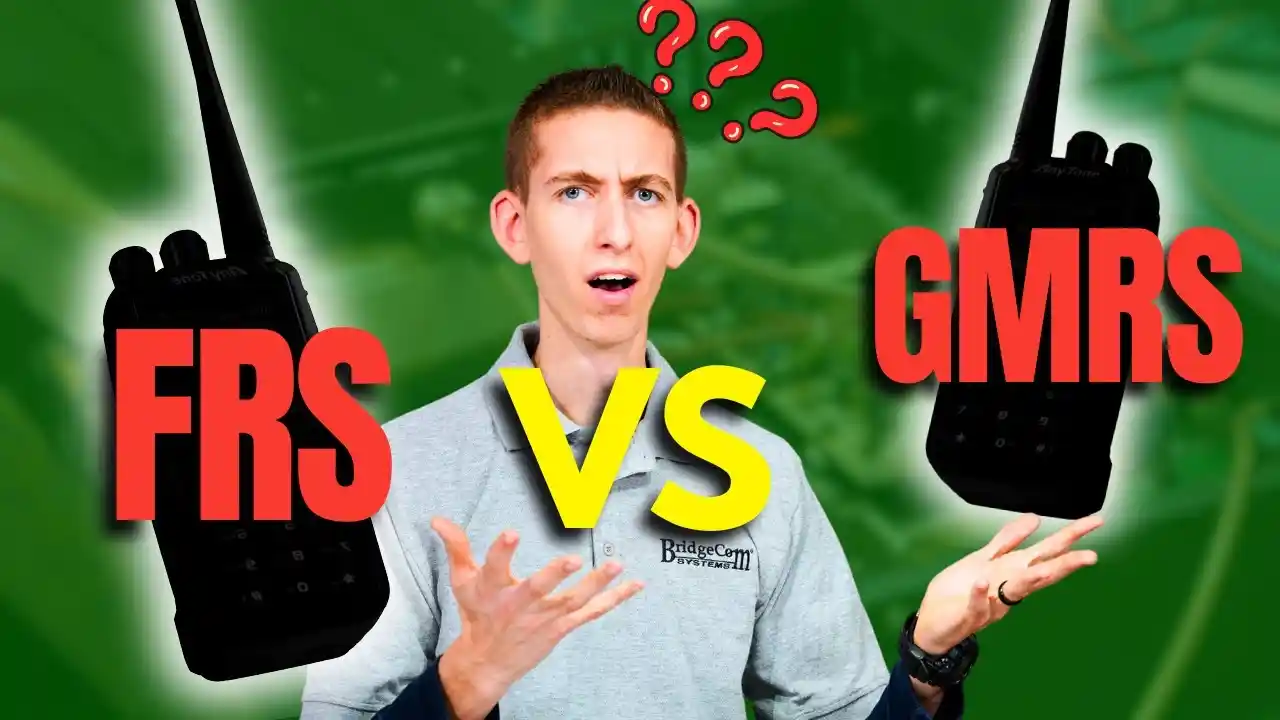
Choosing the wrong walkie talkie frequency can result in static filled dead zones or even federal fines. I have seen too many buyers accidentally transmit on restricted channels using uncertified radios like the Baofeng UV-5R. This guide breaks down exactly which frequencies you can legally use, how UHF and VHF perform in real world tests, and how to set up your radio for clear, compliant communication.

Key Takeaways
- Always verify licensing requirements before transmitting on GMRS or ham radio frequencies.
- Use VHF bands for open terrain and UHF bands for indoor or urban environments.
- Baofeng UV-5R radios cannot legally transmit on FRS or GMRS channels under current FCC rules.
- Match both channel number and exact MHz when programming radios to avoid communication failures.
Table of Contents
Walkie Talkie Frequencies
Walkie talkie frequencies are specific radio waves assigned for two way communication. The frequency you select directly impacts your audio clarity, transmission distance, and susceptibility to interference. Lower frequencies generally travel farther in open spaces. Higher frequencies penetrate solid structures more effectively. Understanding these bands ensures you stay compliant with federal regulations and communicate clearly when it matters most.
What Frequency Do Walkie Talkies Use?
Walkie talkies primarily operate within the UHF and VHF spectrums. The Federal Communications Commission assigns specific ranges within these bands for public use. Some frequencies are completely license free, such as FRS. Others require an FCC license, such as GMRS. I always recommend checking your local regulations before purchasing a radio to ensure you can legally operate on your desired channels.
What Is The Walkie Talkie Frequency Range?
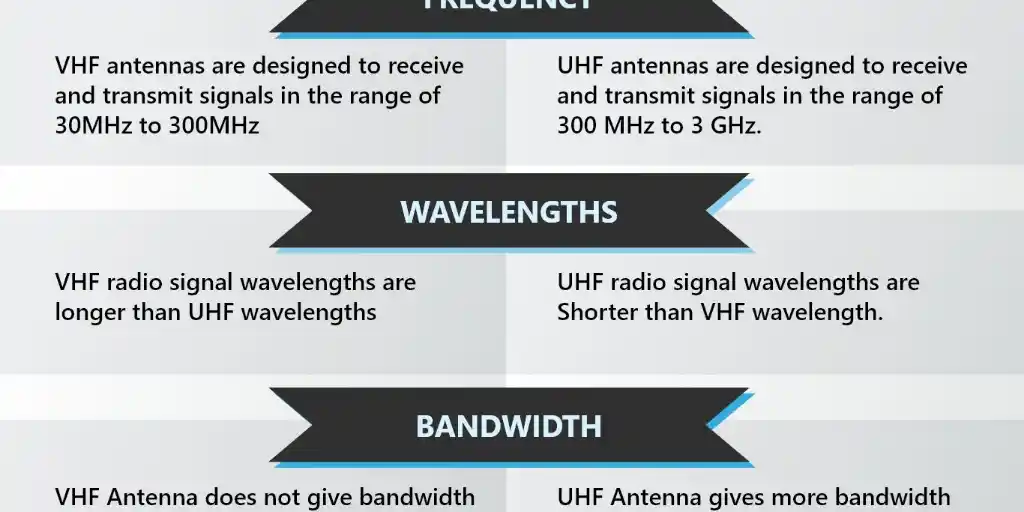
The full spectrum for consumer walkie talkies spans from 136 MHz to 512 MHz. VHF bands typically occupy 136 to 174 MHz. UHF bands cover 400 to 512 MHz.
Signal behavior changes based on this range. VHF signals have longer wavelengths. They travel farther in open, line of sight environments like fields or water. UHF signals have shorter wavelengths. They bounce off surfaces and penetrate walls, making them ideal for urban environments or inside buildings.
Are Wrong Frequencies Ruining Communication?
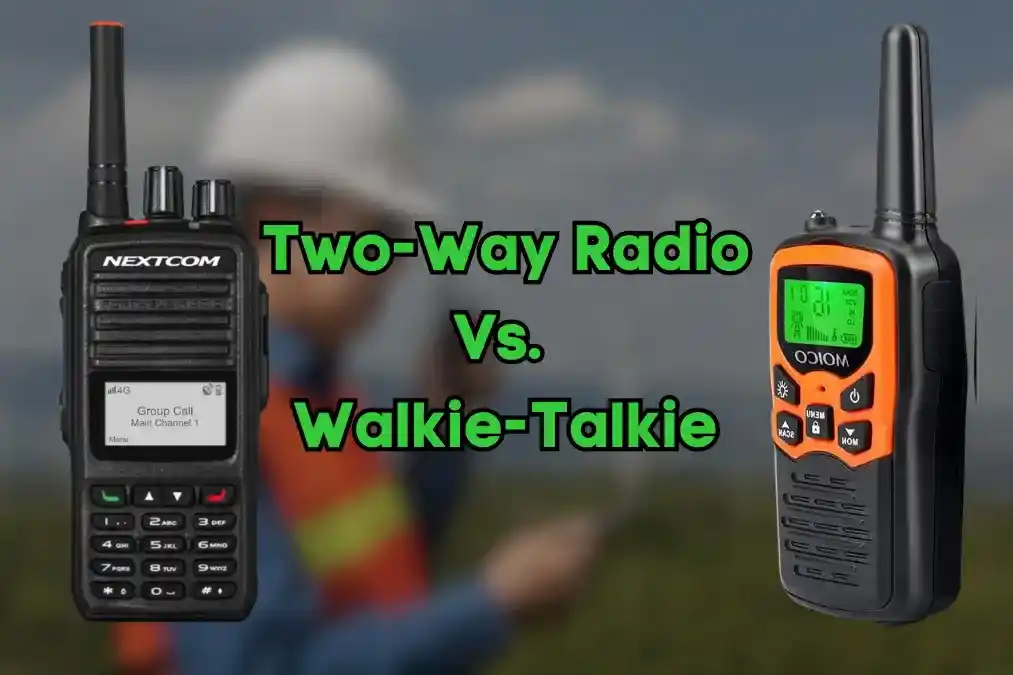
Using incorrect walkie talkie frequencies can cause static, dead zones, and even legal penalties. Learn how to avoid common tuning mistakes and ensure crystal-clear, compliant communication every time you transmit.
What Are The Most Common Walkie Talkie Channel Frequencies?
Radios map specific frequencies to channel numbers for ease of use. Channel 1 on one radio must match the exact frequency of Channel 1 on another to communicate.
The most common public channels belong to the FRS and GMRS services. FRS channels are strictly license free. GMRS channels require a license. Some channels are shared between both services, but power limits differ significantly. Emergency services use dedicated public safety frequencies that civilians cannot legally access under any circumstances.
Selling Point: Upgrade Your Communication Setup With Our Range Of Pre-Programmed Walkie Talkies. They are ready to use out of the box on all major legal channels. Browse our selection to find the perfect model for your needs.
Walkie Talkie Frequency Chart: FRS And GMRS Channel Breakdown
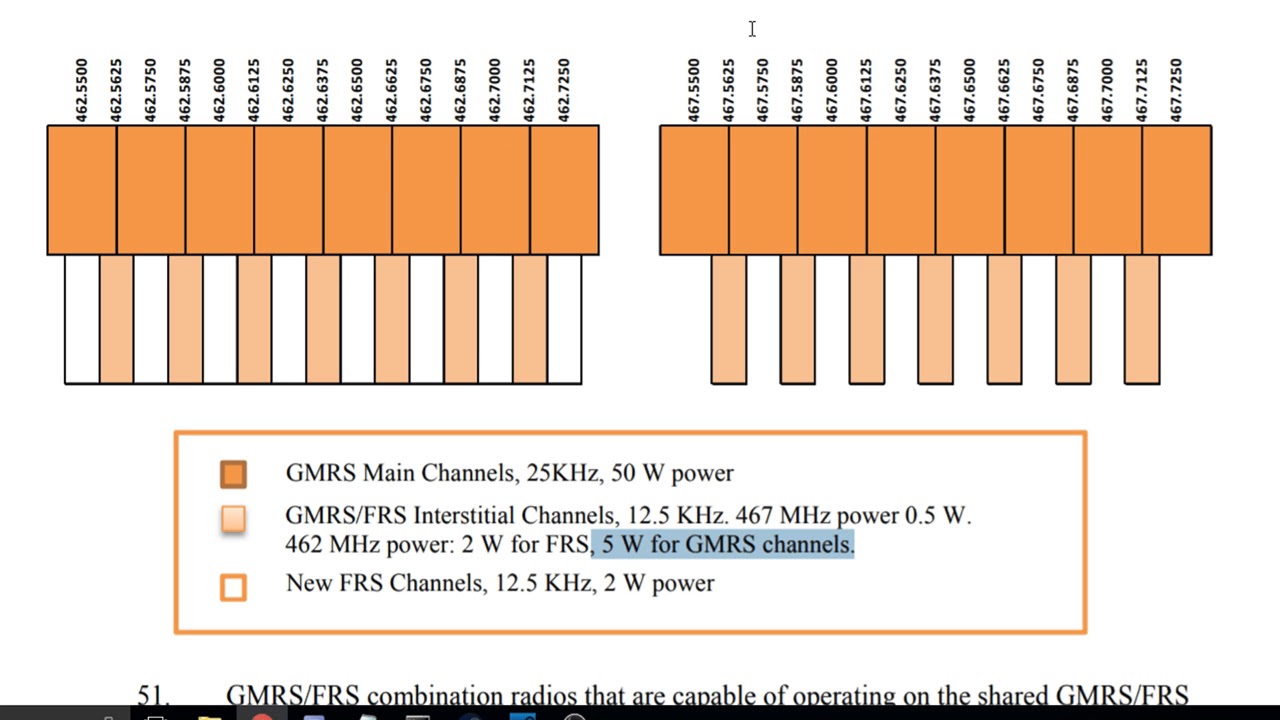
Here is the reference chart for the 22 shared FRS and GMRS channels.
FRS and GMRS hybrid radios can operate on all these channels. When using channels 1 to 7 on an FRS radio, you are limited to 2 watts. If you hold a GMRS license, you can transmit at up to 5 watts on these same channels for greater range.
What Are The FRS And GMRS Frequencies?
FRS operates on 22 channels between 462 and 467 MHz. It is completely license free. The FCC designed FRS for short range family and event communication. Antennas must be fixed and non removable.
GMRS uses the same 22 channels but allows higher power output. You must purchase an FCC GMRS license to transmit on GMRS only channels. The license covers your entire immediate family.
What Are The Murs And CB Radio Frequencies?
MURS provides 5 license free channels in the VHF band between 151 and 154 MHz. It is popular for small business and farm use. You can use removable antennas with MURS, which helps improve range legally.
CB radio operates around 27 MHz with 40 channels. It remains highly popular among truckers and off road enthusiasts. CB signals can bounce off the ionosphere, allowing for unexpected long distance communication under the right atmospheric conditions.
What Is The Difference Between Uhf And Vhf Walkie Talkie Frequencies?
UHF and VHF differ primarily in how their signals propagate through the environment.
VHF signals travel in straight lines. They perform best when there are no obstructions between radios. If you are hiking in an open valley, VHF will likely give you clearer communication over longer distances.
UHF signals are better at penetrating solid objects. In practice, when I tested both bands inside a multi story warehouse, the UHF radios maintained clear audio through concrete walls while the VHF signals dropped out completely. If you work indoors or in a city, UHF is the superior choice.
Which Is Better, Uhf Or Vhf For Walkie Talkies?
The right choice depends entirely on your environment.
Choose VHF if you operate in open terrain. It is ideal for hiking, farming, or marine use. VHF radios often have slightly better battery efficiency for long range outdoor use.
Choose UHF if you work inside buildings or in urban areas. The shorter wavelength penetrates drywall, wood, and even concrete better than VHF. UHF is also less susceptible to interference from electrical equipment commonly found in cities.
What Is The Baofeng Uv-5r Frequency Range?
The Baofeng UV-5R is popular because it can receive and transmit across a massive frequency range. It covers VHF from 136 to 174 MHz and UHF from 400 to 520 MHz.
Can I use my Baofeng on FRS channels?
No. While the Baofeng UV-5R can physically transmit on FRS and GMRS frequencies, doing so violates FCC rules. The FCC requires radios used on FRS to have fixed antennas and certified power limits. The Baofeng does not meet these certifications. You may only legally transmit on amateur ham radio frequencies with this device, and you must hold a valid amateur radio license.
What Are Ham Radio Walkie Talkie Frequencies?
Amateur radio operators use specific bands allocated for hobby and emergency communication. The most common handheld bands are the 2 meter band (144 to 148 MHz) and the 70 centimeter band (420 to 450 MHz).
You must pass an FCC exam to obtain an amateur radio license. This license grants you privileges to use these frequencies, build your own antennas, and communicate with other licensed operators globally.
What Frequencies Can Civilians Use Without A License?
Civilians have several license free options. FRS is the most common for general use. MURS is excellent for small businesses needing removable antennas. CB radio is ideal for vehicle to vehicle communication. In Europe, PMR446 serves a similar purpose to FRS.
Always respect power limits. License free services restrict your output to prevent interference with emergency and commercial services.
Branching Quiz: Which License-Free Radio Is Right For You?
Q1: Where will you primarily use your radio?
If Indoors / Urban: Go to Q2
If Outdoors / Open Terrain: Go to Q3
Q2: Do you need to attach a longer antenna for better range?
Yes: Use MURS.
No: Use FRS.
Q3: Are you communicating primarily from a vehicle?
Yes: Use CB Radio.
No: Use FRS.
What Are Pmr446 And Uk Walkie Talkie Frequencies?
PMR446 is the European license free radio standard. It offers 8 channels in the 446 MHz range. The power limit is strictly 0.5 watts.
In the UK, you can also apply for a Simple UK Licence. This allows you to use specific business frequencies at higher power levels than PMR446, provided you do not cause interference. PMR446 is best for casual use, while the Simple UK Licence suits small businesses needing more reliable coverage.
How To Find And Set The Right Walkie Talkie Frequency
Setting the correct frequency is simple if you follow a structured process. First, identify your legal service. If you do not have a license, stick to FRS or MURS. Second, check your radio manual carefully. Some consumer radios are pre programmed by the manufacturer and cannot be changed by the user.
If you have a fully programmable radio, you can use a frequency scanner to find active channels in your area. This helps you avoid transmitting on channels already in use by local businesses. To manually program a frequency, enter your radio menu mode by holding the designated button. Select the channel slot you wish to edit, and input the exact MHz value using the keypad. Press the save button to lock in your settings before exiting the menu. Always test the channel with a partner radio before relying on it in the field.
What Is The Best Walkie Talkie Frequency For Long Distance?
For pure long distance communication in open areas, lower VHF frequencies perform best. In ideal line of sight conditions, VHF signals can travel up to 25 miles. This makes VHF highly effective for rural properties where there are no obstructions to block the signal path. I have personally communicated across a 15 mile lake using basic handheld VHF radios with excellent clarity.
However, terrain dictates reality. Hills, dense tree lines, and buildings will block VHF signals quickly. If you need long distance coverage in a mixed environment, consider using GMRS with a license. GMRS allows you to use repeaters. A repeater receives your signal on one frequency and retransmits it on another from a high elevation, dramatically extending your range beyond line of sight limitations. When I coordinated a local search and rescue drill, using a GMRS repeater allowed our team to maintain contact across three different mountain valleys.
Frequently Asked Questions About Walkie Talkie Frequencies
What Are Walkie Talkie Frequencies And How Do They Affect Communication Range?
Walkie talkie frequencies are the specific radio waves your device uses to send and receive audio. Lower frequencies like VHF travel farther in open spaces because their longer wavelengths diffract around obstacles. Higher frequencies like UHF have shorter wavelengths that penetrate walls better but lose energy faster over open distance.
What Is The Difference Between UHF And VHF Walkie Talkie Frequencies?
The main difference is how the signals interact with the environment. VHF is best for outdoor, line of sight use such as hiking or farming. UHF excels indoors and in urban areas because its signals can penetrate solid objects like concrete and steel more effectively.