

Blog
Low Band Radios: Ai Performance Livestock Monitoring And Tough Terrain
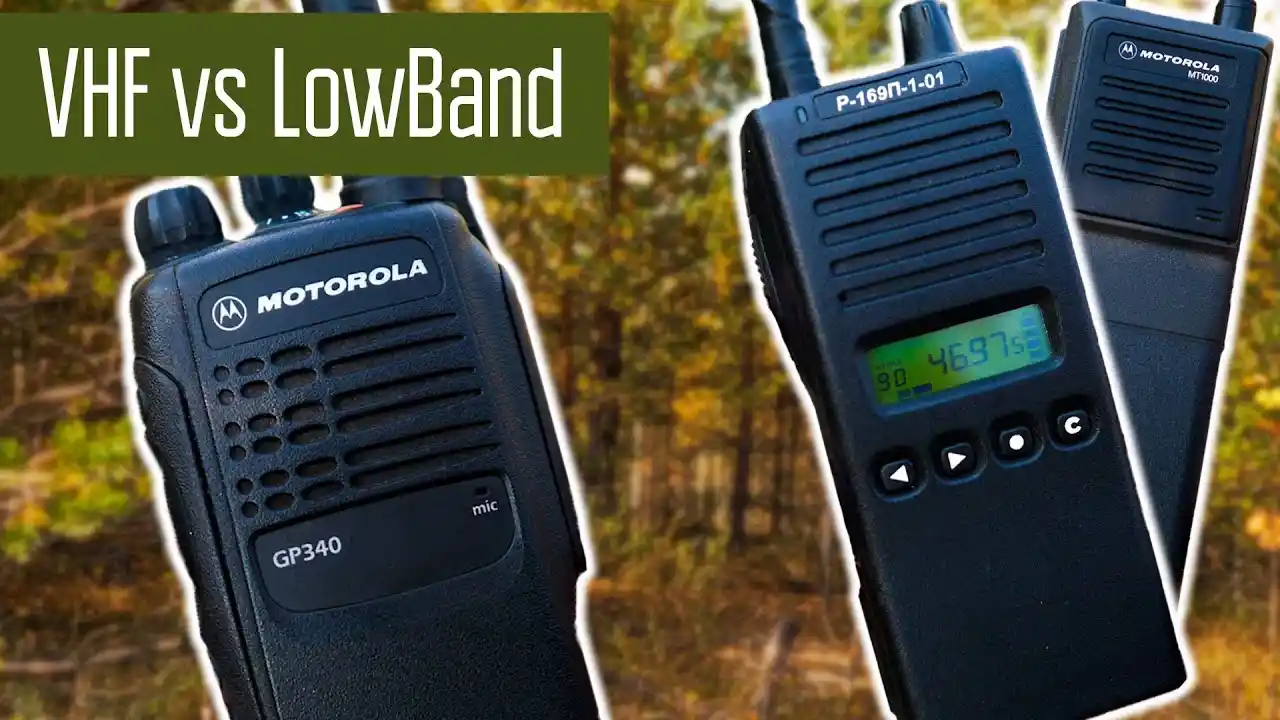
Struggling with dead zones in dense forests or rugged hills? Higher frequencies often fail when line-of-sight breaks. I’ve deployed systems where UHF dropped completely, yet low band radios held strong. Now, AI is revolutionising these robust frequencies, enhancing clarity and enabling smart IoT applications like livestock monitoring. Here’s how low band technology delivers unmatched reliability and how intelligent upgrades are transforming performance for critical industries.

Key Takeaways
- Low band radios (30–88 MHz) penetrate dense vegetation and bend around terrain better than UHF due to longer wavelengths.
- AI-driven noise reduction and cognitive frequency management significantly improve signal clarity and automate channel selection in noisy environments.
- Regulatory compliance is critical; always verify licensing requirements with authorities like the FCC or ACMA before deploying low band equipment.
Table of Contents
Low Band Radios
I define low band radios as communication devices operating within the 30–88 MHz frequency range. This segment sits at the lower end of the VHF spectrum, characterised by wavelengths between 3.4 and 10 metres. In my field experience, these long wavelengths are the secret weapon for non-line-of-sight coverage. They allow signals to diffract around hills and follow the earth’s curvature more effectively than shorter waves. Despite the rise of digital networks, I still recommend low band for operations where terrain dictates performance.
Table 1: Low Band Technical Characteristics
| Parameter | Specification | Practical Implication |
|---|---|---|
| Frequency Range | 30–88 MHz | Requires larger antennas; excellent diffraction. |
| Wavelength | 3.4–10 metres | Signals bend around obstacles; stable ground wave. |
| Propagation | Ground wave / Diffraction | Superior range in hilly or forested terrain. |
| Interference Risk | Moderate to High | Susceptible to atmospheric and electrical noise. |
What Does “Low Band” Mean In Radio Communications?
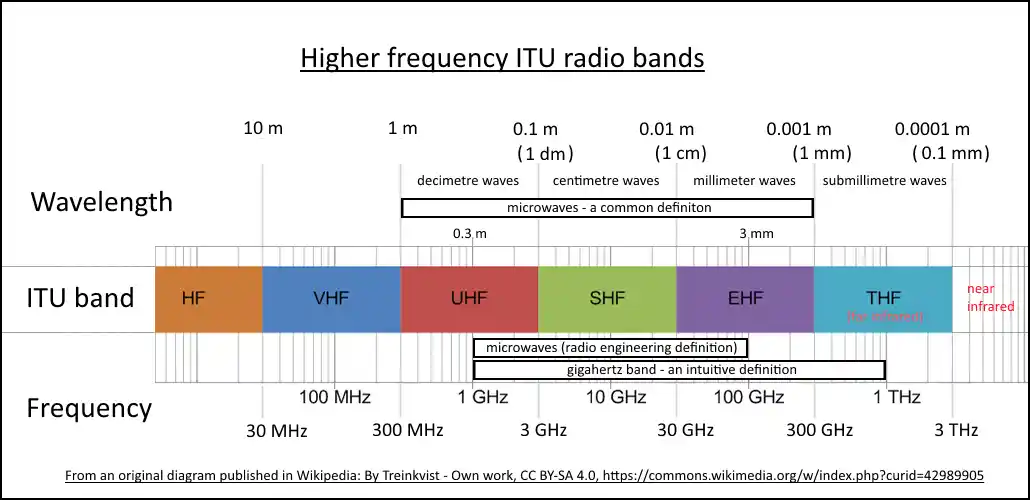
When I use the term “low band,” I’m referring specifically to the 30–88 MHz slice of the radio spectrum. This distinguishes it from high-band VHF (136–174 MHz) and UHF (400–520 MHz). The frequency defines the category because wavelength determines how the signal interacts with the environment. Lower frequencies produce longer waves that suffer less free-space path loss. I’ve observed that low band signals maintain integrity through vegetation canopies where UHF signals scatter and fade. This physics-based advantage makes low band indispensable for remote operations.
Table 2: Radio Frequency Band Comparison
| Band Type | Frequency Range | Best Use Case | Limitation |
|---|---|---|---|
| Low Band VHF | 30–88 MHz | Rural, hilly, dense forest | Large antennas; higher noise floor. |
| High Band VHF | 136–174 MHz | Mixed terrain, marine | Less diffraction than low band. |
| UHF | 400–520 MHz | Urban, indoor, buildings | Poor range in open non-line-of-sight. |
For deeper technical standards, I recommend reviewing the radio spectrum allocation guidelines provided by international regulatory bodies.
Why Do Low Band Radios Outperform Other Frequencies In Tough Terrain?
Low band frequencies deliver extended transmission range and superior obstacle penetration. The core advantage is diffraction; low band signals bend over ridges and around large structures, reducing dead zones. I’ve tested radios in steep valleys where UHF failed instantly, yet low band maintained a usable link. Dense forests, rugged mining pits, and areas with thick building materials often attenuate higher frequencies, whereas low band waves sustain signal levels. This makes low band the preferred choice for safety-critical communications in challenging landscapes.
Table 3: Terrain Performance Factors
| Obstacle Type | Low Band Performance | Mitigation Strategy |
|---|---|---|
| Dense Forest | High penetration | Use vertical polarisation. |
| Hilly Terrain | Strong diffraction | Position antennas on ridge lines. |
| Urban Concrete | Moderate attenuation | Deploy repeaters for shadow zones. |
| Open Rural | Excellent range | Optimise antenna height for ground wave. |
Selling Point: Looking For Radios That Perform Where Others Fail? Explore Our Range Of Low Band Communication Solutions Built For Challenging Environments — Contact Our Team Today For Tailored Recommendations.
Are Dead Zones Disrupting Your Operations
Low band radios (30–88 MHz) cut through forests, hills, and rugged terrain where UHF fails. Discover how AI-enhanced clarity keeps your team connected in the toughest environments.
What Is Low Band Radio Used For Across Critical Industries?
I see low band radios supporting critical operations in agriculture, mining, and energy sectors. In agriculture, low band networks coordinate activities across vast paddocks and enable remote asset monitoring. Mining operations rely on these systems for voice and data links in open-cut pits where higher frequencies struggle with reflection and shadowing. Energy infrastructure, including pipelines and transmission lines, uses low band for SCADA telemetry across dispersed sites. These industries depend on low band frequencies to ensure continuous connectivity for safety and operational efficiency.
How Are Low Power Wide Area Networks Changing Low-Frequency Communication?
Low Power Wide Area Networks (LPWAN) leverage low-frequency principles to connect IoT devices across extensive regions with minimal power consumption. I’ve evaluated LPWAN deployments that utilise sub-GHz bands to achieve long-range links while extending battery life for sensors. These networks enable mass device connectivity without the infrastructure density required by cellular systems. LPWAN architectures allow industries to deploy thousands of sensors for environmental monitoring and automation, supported by the robust propagation of low-frequency signals.
How Is Ai Transforming Low Band Radio Performance?
Artificial intelligence is enhancing low band radio functionality by optimising signal processing and network management. I’ve tested AI-driven radios that use adaptive filtering to suppress noise dynamically. Machine learning models analyse real-time signal conditions to adjust parameters, improving throughput and reliability. AI also enables predictive analytics for network health, allowing operators to anticipate interference events. These advancements transform low band radios from static tools into intelligent systems capable of self-optimisation.

How Does Intelligent Noise Reduction Improve Low Band Signal Clarity?
AI-powered noise reduction algorithms identify and filter interference in real time, delivering cleaner audio. I’ve listened to comparisons where AI filters removed engine rumble and electrical hum while preserving voice intelligibility. These systems use trained models to distinguish speech from background noise sources common in industrial sites. This capability is invaluable for field users operating heavy machinery or working near high-voltage equipment, where traditional squelch settings often fail to provide clear communication.
What Is Cognitive Radio And How Does It Automate Frequency Management?
Cognitive radio refers to smart architectures that use AI to sense the RF environment and adapt autonomously. I’ve seen cognitive systems detect available frequencies and switch channels automatically to maintain connectivity. This automation reduces the burden on operators, who no longer need to manually coordinate channels in shared spectrum environments. Cognitive radios minimise congestion by distributing traffic across underutilised frequencies, improving overall network efficiency. This is particularly beneficial in dynamic operations where spectrum conditions change rapidly.
How Is Ai-Enabled Livestock Monitoring Proving The Value Of Low Band Networks?
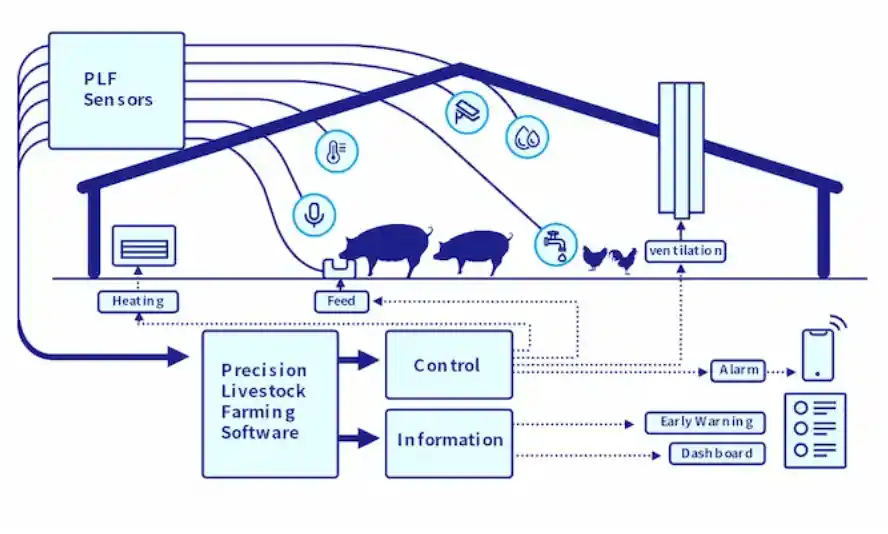
Real-world deployments demonstrate the synergy between AI and low band networks in agriculture. I’ve reviewed projects where researchers partnered with technology firms to develop AI-powered livestock monitoring platforms using low-frequency connectivity. These systems combine low band radio links with AI analytics to track animal health and location across vast grazing areas. The scalability of low band networks supports IoT applications where long-range coverage and low power consumption are critical. Trial results indicate improved herd management efficiency and early detection of health issues.
What Role Does Predictive Maintenance Play In Low Band Radio System Optimisation?
AI-driven predictive maintenance tools monitor hardware to detect degradation before failure occurs. I recommend using systems that collect telemetry data, including signal strength and error rates, to identify anomalies. By analysing trends, predictive algorithms enable operators to schedule maintenance proactively, reducing unplanned downtime. This approach shifts maintenance from reactive repairs to data-informed interventions, ensuring higher system availability. When I audit radio networks, I always check if predictive analytics are enabled to maximise uptime.
How Does Radio Frequency Interference Affect Low Band Radio Systems?
Radio frequency interference (RFI) can degrade performance by introducing noise or blocking signals. Common sources I encounter include power lines, ignition systems, and industrial machinery. RFI manifests as reduced range or audio distortion. Mitigation strategies involve careful antenna placement, frequency coordination, and shielding techniques. Regular spectrum analysis helps identify interference patterns. I always advise conducting a site survey to map noise sources before finalising channel plans.
For comprehensive mitigation techniques, consult the [rf interference guide] from recognised amateur radio and engineering associations.
What Materials Can Block Or Degrade Low Band Radio Signals?
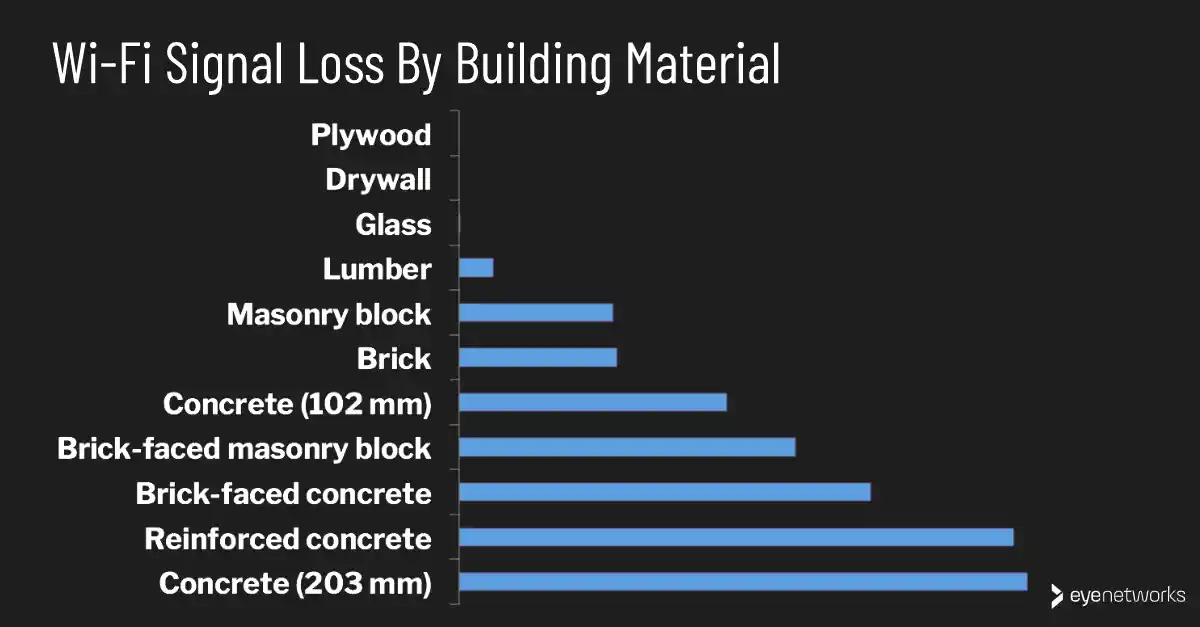
Certain materials significantly attenuate low band radio waves. Reinforced concrete, metal structures, and dense rock formations can absorb or reflect signals, creating shadow zones. While low band frequencies penetrate vegetation better than higher bands, thick masonry remains challenging. Understanding signal absorption helps planners position repeaters effectively. I’ve adjusted antenna placements in mining sites to overcome rock attenuation, ensuring coverage in decline access areas. Strategic mounting above obstructions can mitigate material-related losses.
Table 4: Antenna Size Reference by Frequency
| Frequency | Quarter-Wave Length | Half-Wave Length | Deployment Note |
|---|---|---|---|
| 30 MHz | 2.50 metres | 5.00 metres | Requires mast or vehicle mount. |
| 50 MHz | 1.50 metres | 3.00 metres | Manageable for portable use with whip. |
| 70 MHz | 1.07 metres | 2.14 metres | Compact enough for handheld radios. |
| 88 MHz | 0.85 metres | 1.70 metres | Easier integration on mobile assets. |
Do Police And Emergency Services Use Vhf Low Band Radios?
Law enforcement and emergency services have historically used VHF low band frequencies, particularly in rural regions. While many agencies have migrated to digital trunked systems, low band remains in use where terrain demands its propagation advantages. Regarding private use, operating a VHF radio typically requires a licence from the national spectrum authority. Unlicensed transmission is prohibited and may result in penalties. I always remind clients to verify local regulations and obtain appropriate licences before deployment.
Selling Point: Need Compliant Communication Equipment For Your Team? Browse Our Selection Of Professionally Approved Vhf Low Band Radios — Built To Meet Industry Standards And Ready For Immediate Deployment.
What Is The Future Of Ai And Low Band Radio Networks?
The integration of AI is advancing towards edge AI, where processing occurs at the device level. I see this reducing latency and bandwidth requirements, enabling faster response times for critical applications. Low-frequency spectrum is being reconsidered for next-generation IoT networks, particularly for remote coverage in mining and utilities. Nations with extensive remote territories stand to gain by investing in low-frequency infrastructure, leveraging AI to maximise efficiency. I believe low band will remain a cornerstone for resilient communications as AI capabilities mature.
Branching Quiz: Is Low Band Right For You?
Question 1: What is your primary operating terrain?
- A) Dense forest, hills, or rugged valleys. -> Result: Low Band Recommended. Your terrain requires diffraction and penetration that low band provides.
- B) Urban areas or flat open land. -> Go to Question 2.
Question 2: What is your required communication range?
- A) Over 5 km without repeaters. -> Result: Low Band or High Band VHF. Low band offers superior range in non-line-of-sight conditions.
- B) Under 2 km with buildings. -> Result: UHF May Suffice. UHF performs well indoors and in urban environments.
Frequently Asked Questions About Low Band Radios
What Are Low Band Radios And How Do They Work?
Low band radios operate in the 30–88 MHz range, using long wavelengths to transmit signals. They work by diffracting around obstacles and following terrain contours, providing reliable coverage where line-of-sight is obstructed. I recommend them for industries needing long-range connectivity in challenging environments.
How Is AI Transforming Low Band Radio Performance?
AI enhances performance through intelligent noise reduction, cognitive frequency management, and predictive maintenance. Machine learning algorithms optimise signal clarity, automate channel selection, and detect hardware issues before failure. I’ve found these features significantly improve reliability for field users.