
Blog
Radio Problems: No Power Poor Signal And Distorted Audio Issues
Your car radio will not turn on, your two-way radio cuts out mid-sentence, or the audio sounds like static. Radio problems follow predictable patterns, and I have diagnosed hundreds of them across vehicle audio systems and professional two-way equipment over the past decade. This guide walks you through the exact diagnostic steps I use, organized by symptom, so you can fix your radio without unnecessary guesswork or expensive shop visits.

Key Takeaways
- Most radio power failures trace back to three causes: dead batteries, blown fuses, or loose wiring connections you can check in under five minutes.
- Poor signal and static almost always point to antenna problems before they indicate a receiver fault, and inspecting your antenna first can save you a costly repair bill.
- Audio distortion has two distinct sources: signal-side problems and hardware-side problems, and knowing the difference saves time and money.
- A simple four-step diagnostic checklist helps you determine whether your radio is fixable or needs professional replacement.
Table of Contents
Radio Problems
Radio problems affect both car radios and two-way radios, but the underlying causes fall into three categories: power failures, signal issues, and audio distortion. Understanding these categories matters because it helps you narrow down the problem fast.
Buyer Beware: If your radio problem is accompanied by burning smells, smoke, or excessive heat, stop troubleshooting immediately and disconnect the power source. Electrical fires from faulty radio wiring are rare but preventable.
Use the diagnostic table below to match your specific symptom to the most likely cause:
| Your Symptom | Most Likely Cause | Difficulty | Fix Type |
|---|---|---|---|
| No power at all | Dead battery or blown fuse | Easy | DIY Friendly |
| Display works, no sound | Amplifier or speaker fault | Medium | Professional Required |
| Static on all channels | Antenna damage or loose connection | Easy | DIY Friendly |
| Static on some channels only | Environmental interference | Easy | DIY Friendly |
| Audio distorts at high volume | Overdriven speaker or amplifier | Medium | Professional Required |
| Intermittent power | Loose wiring or corroded contacts | Medium | DIY Friendly |
| Battery dies mid-shift | Battery degradation | Easy | DIY Friendly |
| Wrong frequency displayed | Programming error | Medium | Professional Required |
Why Is My Radio Not Working?
When a radio stops working entirely, the cause usually falls between a dead battery and a complete hardware failure. Before you panic, perform three quick checks.
First, confirm the power source is active. For car radios, check whether other dashboard electronics work. For two-way radios, try a known-good battery. Second, verify the volume is not muted. It sounds obvious, but I have diagnosed this exact issue more times than I can count. Third, check for visible damage, loose connections, or indicator lights.
Real-World Scenario: A logistics company called me because their entire warehouse team reported dead two-way radios after a power outage. The issue was not the radios. The charging station had not powered back on, so every radio sat uncharged overnight. A simple check of the charging station saved them from replacing twelve units they assumed were damaged.
If none of these checks reveal the problem, the symptom-specific sections below are your roadmap.
Selling Point: If your radio issues persist despite troubleshooting, contact our expert repair team today for a fast, reliable diagnosis. Get your radio back up and running without the guesswork.
Why Does My Radio Have No Power And Will Not Turn On?
A radio that refuses to power on typically points to dead batteries, blown fuses, or faulty wiring. Each has a distinct diagnostic signature.
For car radios, start by checking whether other dashboard electronics function. If the clock and interior lights work but the radio does not, the problem is likely a blown fuse. For two-way radios, the most common cause is a depleted or faulty battery pack.
What NOT To Do: Never replace a blown fuse with one of a higher amperage rating. Doing so bypasses the circuit protection and can cause wiring damage or fire. Always match the exact amperage rating printed on the fuse or listed in your owner’s manual.
Reference this table for common electrical specifications:
| Specification | Car Radio Typical Range | Two-Way Radio Typical Range |
|---|---|---|
| Operating Voltage | 12V DC | 7.2V to 8.4V DC |
| Fuse Amperage | 5 to 15 amps | N/A (battery powered) |
| Battery Type | Vehicle battery | Li-Ion or Li-Polymer |
| Expected Battery Life | Vehicle battery lifespan | 300-500 charge cycles |
Why Is Your Radio Suddenly Failing
Are you dealing with no power, static, or distorted audio? Most radio problems follow predictable patterns like battery failure, blown fuses, or antenna issues that can be identified quickly with the right steps.
How Do You Know If A Radio Fuse Is Blown?
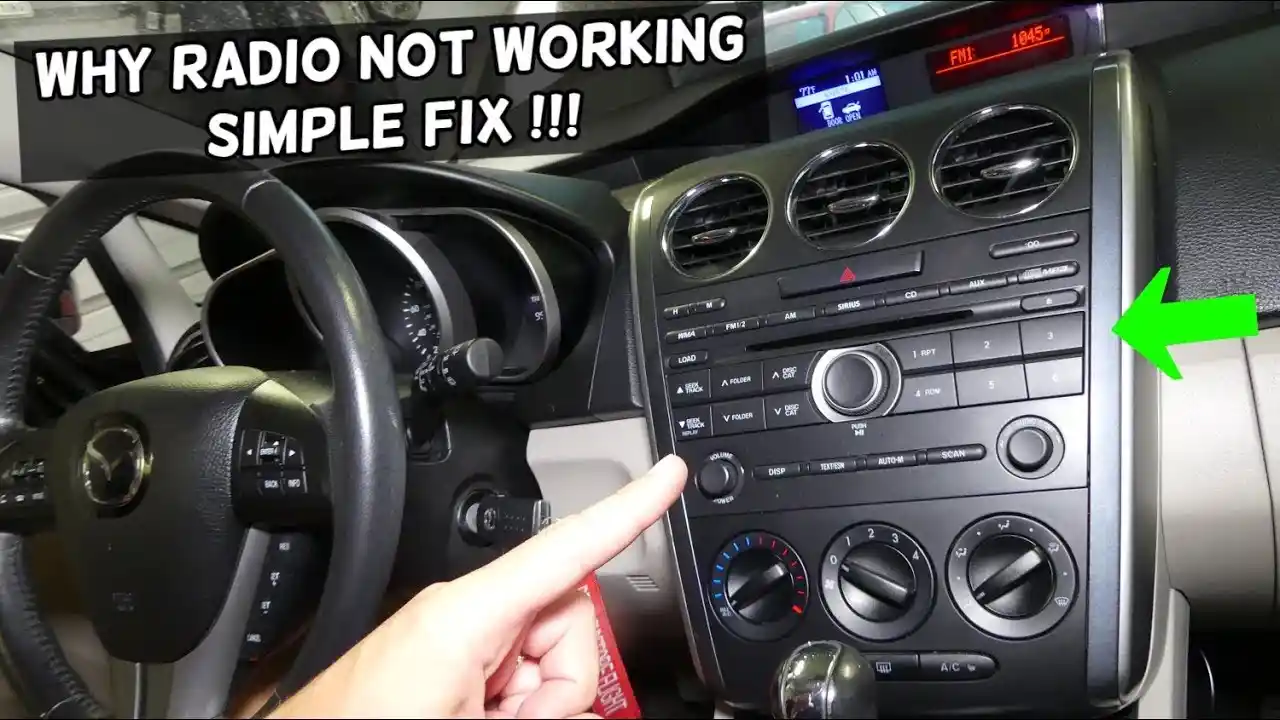
A blown fuse produces three clear signs: the display goes dark, there is no sound, and other accessories on the same circuit stop working. In most vehicles, the radio fuse sits in the fuse box under the dashboard or in the engine compartment. Your owner’s manual shows the exact position and amperage rating.
Statistically, fuse replacement resolves approximately 60 percent of car radio power failures.
However, a fuse that blows repeatedly signals a deeper electrical problem requiring professional diagnosis.
Why Does My Radio Have Poor Reception Or Signal Loss?
Poor reception is the most common complaint from both car radio and two-way radio users. The causes range from antenna issues to environmental interference.
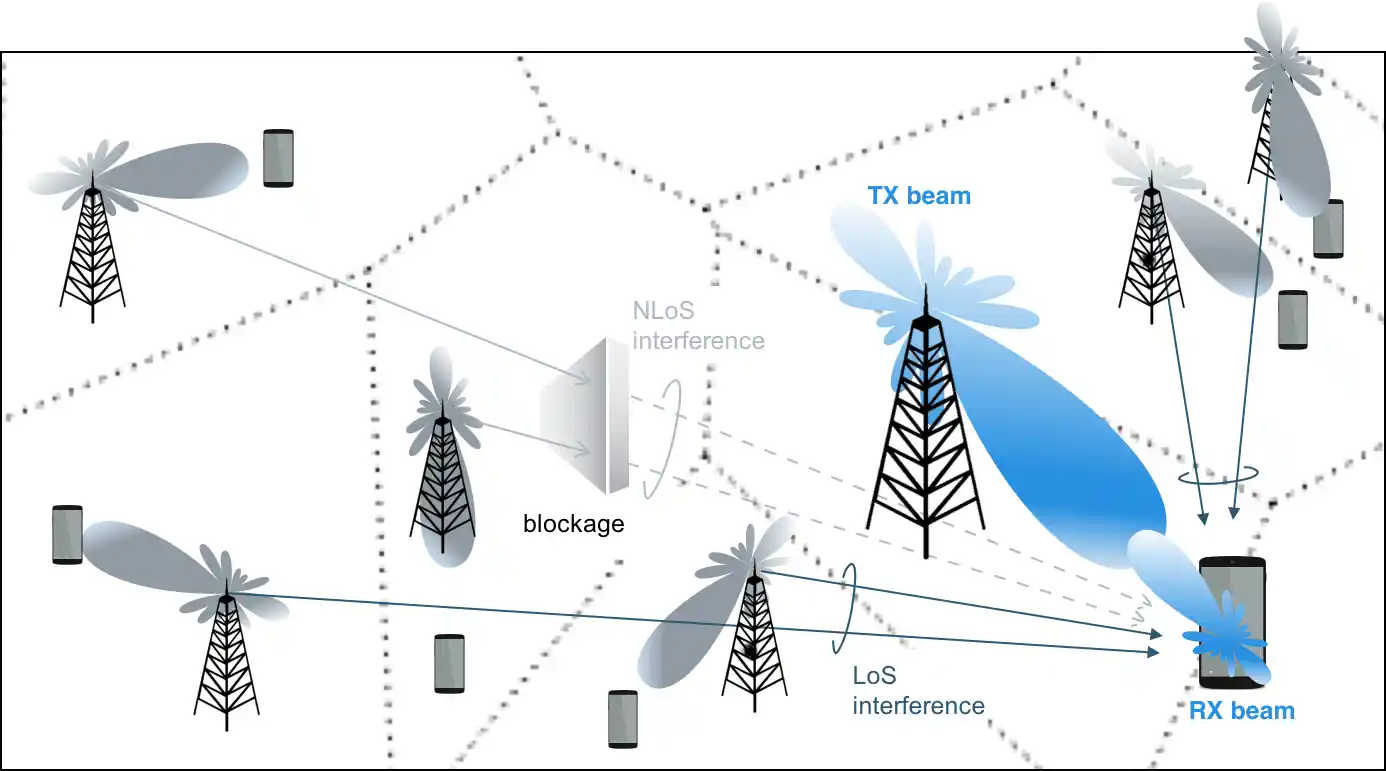
AM frequencies are more susceptible to interference from electrical devices and weather. FM frequencies handle interference better but are limited by line-of-sight range. Two-way radio frequencies depend heavily on terrain and building density.
Real-World Scenario: A construction crew reported that their two-way radios worked perfectly on the ground floor but lost signal inside the steel-framed building. The issue was not the radios. The metal structure blocked radio waves. The fix was installing a building antenna repeater, not replacing the radios.
The first thing to check is always the antenna. A damaged, loose, or corroded antenna connection accounts for the majority of signal complaints I have diagnosed.
How Do Antenna Problems Cause Radio Static And Silence?
A damaged or loose antenna directly reduces signal capture, resulting in static, weak audio, or silence. The antenna is the single most important external component for signal quality.
Inspect the antenna for bends, cracks, or corrosion at the base. For car radios, check the mast or windshield antenna for loose mounts. For two-way radios, verify the antenna connector is tight and debris-free.
A practical test: gently wiggle the antenna connection while the radio plays. If audio cuts in and out, you have a connection problem. Replacement antennas are affordable and typically a straightforward DIY repair.
Why Is My Radio Audio Distorted Or Low Quality?
Audio distortion has two sources, and distinguishing between them saves time. Signal-side distortion occurs when the incoming signal is weak. Hardware-side distortion comes from damaged speakers, failing amplifiers, or degraded wiring.
Connect headphones to diagnose. If audio is clear through headphones, your speakers or wiring are the problem. If distortion persists through headphones, the issue is the signal or internal hardware.
| Diagnostic Test | Result: Clear Through Headphones | Result: Distorted Through Headphones |
|---|---|---|
| Diagnosis | Speaker or wiring fault | Signal, antenna, or internal hardware |
| Next Step | Inspect speakers and connections | Check antenna and signal strength |
| Estimated Repair Cost | $20 to $100 | $100 to $300+ |
What Causes Speaker Or Amplifier Damage In A Radio?
Speakers and amplifiers fail for three reasons: prolonged high-volume playback exceeding physical limits, power surges from electrical systems, and moisture exposure. Warning signs of amplifier failure include distortion only at higher volumes and buzzing unrelated to the radio signal. A blown speaker typically rattles even at low volume.
Buyer Beware: Attempting to repair a water-damaged amplifier yourself risks electrical shock from stored capacitor charge. Always seek professional help for moisture-related internal damage.
Replacing a blown speaker is usually cost-effective. Amplifier repair varies significantly by radio model and age.
Why Does My Two-Way Radio Battery Not Last A Full Shift?
Rapid battery drain traces to battery age, improper charging, and high transmit power settings. Lithium-ion batteries retain full capacity for approximately 300 to 500 charge cycles. After that, capacity degrades noticeably.
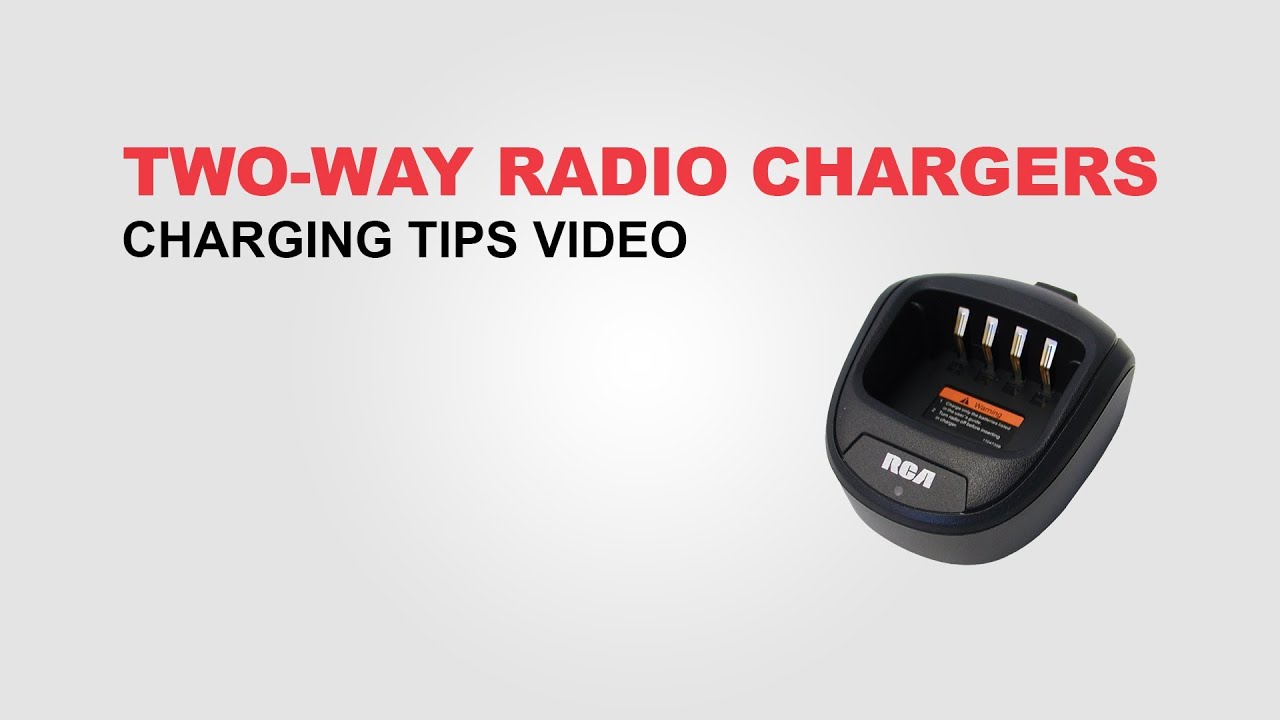
What NOT To Do: Never charge a lithium-ion battery with a non-manufacturer charger. Voltage mismatch can cause swelling, overheating, or fire risk. Always use the manufacturer-recommended charger.
Extend battery life by enabling power-saving modes, removing batteries from chargers once full, and keeping a spare charged and ready.
What Are The Signs Of Physical Damage Cauring Radio Failure?
Drops, moisture, and corrosion are the primary physical threats. A minor drop can crack internal circuit boards. Moisture infiltration causes corrosion that may not appear externally for weeks.
Inspect the antenna connector, battery contacts, and rubber seals. Look for discoloration, green or white residue, and housing cracks. Cracked housings are often replaceable. Corroded contacts may clean with isopropyl alcohol. Internal circuit board damage or deep moisture typically requires replacement.
What Are Programming Errors And How Do They Affect Radio Performance?
Programming errors occur when channel settings, frequencies, or digital configurations are incorrect. They commonly follow firmware updates or software mismatches.
Symptoms include no signal on a particular channel, incorrect frequency display, and one-way communication. Basic troubleshooting involves resetting to factory defaults and reprogramming using the manufacturer’s software.
How Do You Tell If Your Radio Is Completely Broken?
Use this diagnostic checklist:
Power Test: Does it power on with a known-good source? No indicates fuse, wiring, or internal power circuit failure.
Audio Test: Does sound produce through headphones? No indicates amplifier or speaker failure.
Signal Test: Does it receive clear signal in multiple locations with a good antenna? No indicates receiver failure.
Display Test: Is the display responsive and accurate? No indicates display module or main board failure.
If your radio fails three or more tests, replacement is generally more cost-effective than repair.
What Are The Most Common Mistakes People Make When Using A Radio?
The most frequent errors include storing radios in extreme temperatures, using unauthorized chargers, ignoring low battery warnings, and neglecting battery contact cleaning. Each accelerates component degradation and shortens radio lifespan.
What Are The Best Practices For Preventing Radio Problems?
Follow this seasonal maintenance calendar:
Before Summer: Check battery health. Heat degrades lithium-ion capacity faster than any other factor. Store radios in shaded areas.
Before Winter: Fully charge batteries before cold exposure. Cold reduces battery output temporarily and can crack LCD displays.
Before Rainy Season: Inspect all rubber seals and gaskets. Apply dielectric grease to battery contacts and antenna connections.
Monthly: Clean battery contacts, verify antenna tightness, test all channels, inspect housing for cracks.
Annually: Replace degraded batteries and schedule professional service for mission-critical radios.
When Should You Seek Professional Help For Radio Problems?
Seek professional help when fuses blow repeatedly, internal rattling suggests loose components, digital radios display persistent error codes after reset, or water damage is suspected.
When choosing a repair technician, look for manufacturer certification, clear warranty terms, and transparent pricing.
Frequently Asked Questions About Radio Problems
What Are The Most Common Radio Problems And How Do You Fix Them?
Power failures, poor signal reception, and audio distortion are the three most common radio problems. Power failures usually result from dead batteries, blown fuses, or loose wiring. Check connections and replace fuses first. Poor signal almost always traces to antenna problems. Tighten or replace the antenna. Audio distortion requires a headphone test to determine whether the fault is speakers or signal.
Why Does My Two-Way Radio Battery Not Last A Full Shift?
Batteries lose capacity after 300 to 500 charge cycles. High transmit power, cold weather, and improper charging accelerate drain. Enable power-saving modes, use only manufacturer-approved chargers, and replace degraded batteries.